The Rise of Small Capacity Equipments Meeting The Needs of Fragmented Space

Nowadays, the competition in the air conditioning market is becoming more and more fierce, while large-capacity and high-energy-efficiency machines seem to be the mainstream. But in the meantime, a new trend is silently emerging-- the small-capacity machines. They do not mean to be backward to the "lower class," but instead to redefine the balance of comfort and efficiency in more niche and precise application scenarios.


I. New demands from spatial fragmentation


As the spaces diversify in both residential and commercial use, the large-scale cooling and heating situations will be replaced with fragmented spaces.


New types of rooms are constantly emerging, such as homestays, mobile houses, shared offices, and so on. Customers are focusing on local comfort and energy consumption control, looking for coolness where they stay rather than whole-room cooling. Light commercial buildings, particularly the small dining halls, barbershops, and other places where the energy-saving and flexible installation is the first concern.


II. Small capacity ≠ Low Performance


In the previous years, small capacity machines meant slow cooling, low energy efficiency, and a short lifespan. But now, the technology innovation is giving them a new life.


The popularization of inverter technology

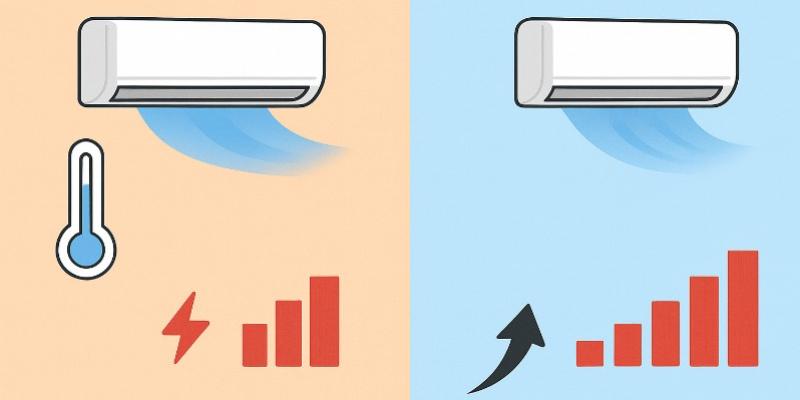
The adoption of a low-power inverter compressor allows small models to work with low loads and at high efficiency, achieving precise temperature control and energy savings.


High-efficiency heat exchange design

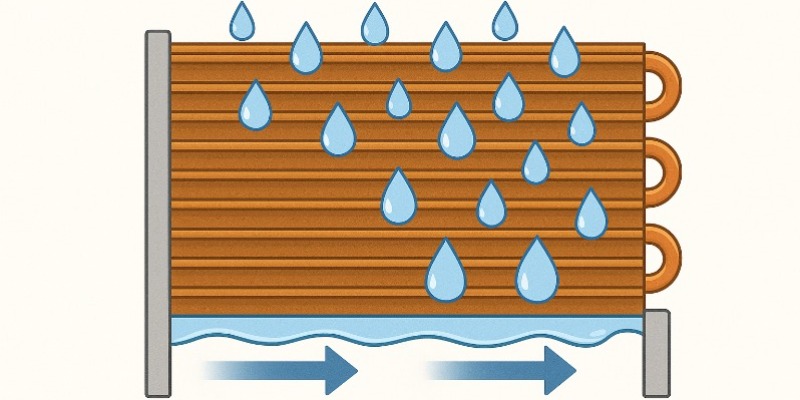
Hydrophilic aluminum foil, internally threaded copper tubes, and other new materials are adopted, allowing its compact structure to have an excellent heat exchange performance.


Smart control

Wi-Fi control, remote monitoring, scheduled operation, and other intelligent operations can be achieved on small air conditioners, providing an uncompromising operating experience.


III. Unique Advantages of Small air conditioners


Low Power Input/Output

9000 BTU (1 horsepower) or less capacity will be sufficient for localized cooling needs. It is better than other large machines in energy efficiency and power consumption.


Flexible installation

Small body, quick installation, and without space limitations. It is suitable for any type of building.


Easy Maintenance, Low Cost of Use

The compact design and standardized components reduce ongoing maintenance and replacement costs, making it ideal for short-term locations such as rental properties and pop-up stores.


We are a professional air conditioner manufacturer; if you have any questions about our products, please feel free to contact us!


Key Design Points for Anti-Salt Fog And Anti-Corrosion Air Conditioners

In coastal areas, islands, and high-salt environments, the air conditioners often face a severe challenge: salt fog corrosion. A quantity of salty particles in the air will attach to the condenser fins, fan motors, electric boxes, and other positions, resulting in oxidation, short circuits, and performance degradation. Is it possible to keep air conditioners working stably for a long time under such harsh environments? Yes, and it will need a systematic salt fog corrosion prevention design.


I. Mechanism of salt fog Damage


Salt fog corrosion is essentially an electrochemical reaction. When salt vapor adsorbs onto a metal surface, an electrolyte film forms, generating a microcurrent between the anode and cathode, accelerating metal oxidation. This is especially true for fins and piping structures made of copper and aluminum. Once corroded, not only will heat transfer capacity decrease, but it can also lead to refrigerant leakage and system failure.


II. Anti-corrosion for key components


1. Protective Coating


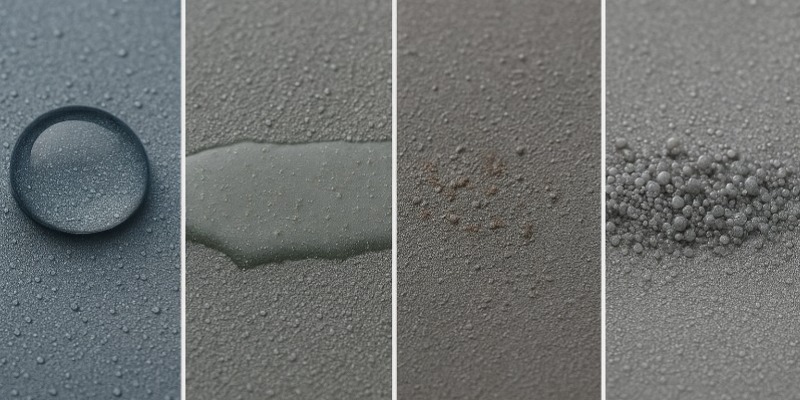
· Hydrophilic Coating: Ensuring less condensate and salt accumulation.

· Epoxy Coating: Ensuring a strong barrier for protection that is suitable for highly salty and humid areas.

· Golden Fin/Blue Fin Technology: Prolong the lifespan of the condenser by adding an anti-rust layer to the surface of the aluminum fins.


2. Structure protection against corrosion


The chassis and outer casing can be galvanized steel with anti-corrosion spray. And stainless steel or rust-resistant alloy screws and connectors are also considerable for the prevention of rust.


3. Electrical Protection


The electric boxes, circuit boards, and other parts need to be waterproof and sealed with conformal coating, ensuring prolonged operation.


III. System Structure and Drainage Optimization


Salty areas normally come with high humidity. In that case, the drainage and evaporation of condensate become more and more important.

By optimizing the drainage slope, setting individual condensation channels, and installing anti-splashback structures, it is possible to prevent salt from flowing back onto the condenser surface. And additionally adding air filter and protective screen can prevent the sea salt particles getting in.


IV. Test and Certification


Professional air conditioners with salt fog resistance normally pass the tests below:


· ISO 9227 Neutral salt fog Test

· ASTM B117 American Standard

· GB/T 10125 Chinese National Standard


The certificates above demonstrate that the air conditioning units could operate well and withstand the high-salt and high-humidity environment.


The design of salt-fog and corrosion-resistant air conditioners is not only a matter of optimization of materials and coating but more of the comprehensive coordination of the system engineering. From screws to the whole machine, every detail determines the equipment's reliability and stability in harsh environments.


Tightening Global Energy Rules How Should AC Manufacturers Respond?


Under the dual pressure of the "dual carbon goals" and the energy crisis, countries around the world are accelerating the upgrading of energy efficiency standards, and the air conditioning industry is standing at a new policy turning point.


I. Global energy efficiency standards are becoming stricter: From initiative to mandate


1. The European and American markets are in a leading position: the European Union's implementation of the Energy Related Products Directive (ERP) and the new EPBD, and the United States' promotion of SEER2 standards have significantly raised the energy efficiency access threshold.


2. Emerging markets follow suit: Southeast Asia, Latin America, and other regions have also successively introduced localized energy efficiency labels and minimum energy efficiency value systems. Enterprises that export globally need to adapt to these (energy efficiency) requirements simultaneously.


3. Rising costs of testing and certification: More complex testing processes and certification systems require enterprises to invest more in research and development and compliance budgets.


II. Corporate strategy adjustment under compliance pressure


1. Strengthen R&D investment: Through technological innovations such as high-efficiency compressors, intelligent control systems, and environmentally friendly refrigerants, improve energy efficiency levels to reduce long-term costs.


2. Supply chain collaboration: Jointly develop energy-efficient solutions with parts suppliers to create an energy-saving closed loop throughout the entire process from design to production.


3. Data management: Introduce the deployment of energy consumption monitoring and product life cycle tracking system to ensure that it is always in line with policy requirements. 


III. From "passive coping" to "active transformation"


1. Enterprises should take compliance as an opportunity to enhance brand influence and enhance competitiveness and seize the market share of energy-efficient products.


2. The accelerated tightening of policies will drive an industry reshuffle. Those enterprises that have made early preparations for energy-saving technologies and green manufacturing will benefit first.


The tightening of global energy efficiency policies is not a threat but a driving force for the high-quality development of the air conditioning industry.


As an air conditioner manufacturer, we call on industry partners to join hands and move forward together with higher energy efficiency standards and more environmentally friendly designs to provide truly sustainable heating and cooling solutions for the global market.

Exhibition Centers and Sports Venues Airflow Organization Strategies for Large Space Air Conditioning


In large venues, how to make airflow more comfortable and energy-efficient has always been the core issue in air conditioning design.


I. Special challenges of air conditioning in large spaces


1. Large spatial scale: Exhibition centers and sports venues usually have a height of tens of meters or even dozens of meters, making it difficult for traditional air supply methods to cover the entire area.


2. High population density: When there is a concentration of people, a large amount of heat and moisture is generated, and central air conditioners need to respond quickly to load fluctuations.


3. Wide range of uses: Both to undertake conferences and exhibitions, but also to organize sporting events or performances, different activities for which the requirements for temperature and comfort are significantly different. 


II. Common airflow organization strategies


1. Up-sending and down-returning: The cold air is transported from the high place, gradually sinking and covering the crowd activity area, which is suitable for large spaces such as exhibition halls and stadiums.


2. Bottom supply and top return: Arrange supply air outlets on the ground or in the seating area, allowing air to flow from bottom to top. The cold air directly acts on the areas where people are active. The refrigeration efficiency is higher.


3. Zoned air supply: By zoned control of the air conditioning system, the temperature requirements of different functional areas can be met. Suitable for areas with a large flow of people and venues in other areas that are relatively spacious.


4. Displacement ventilation: Cold air is slowly introduced into the area where people are active, and the polluted air rises and is then discharged. The air quality has improved significantly.

It is often used in conference halls and theaters.


III. Key considerations in airflow organization design


1. Building structure: Ceiling height and spatial form jointly determine the flow direction of airflow. 


2. Crowd distribution: It is necessary to consider the differences in the number of people in the audience area, the activity area, and the stage area. 


3. Using flexibility: Relying on an adjustable tuyere and intelligent control system, it meets the needs of different scenarios.


4. Keeping energy balance: Design with energy-saving equipment and green building standards to reduce operating costs.


The air distribution of large-space air conditioning is not a 'single mode' but a comprehensive scheme based on building structure and use demand.


We are a professional air conditioning manufacturer in China; please contact us freely if you want to design your large-space airflow organization.

The Efficiency Difference Between Twin Rotary Compressor and Single Rotary Compressor

In the air conditioning system nowadays, the compressor is the core part that achieves cooling circulation, which directly determines the efficiency, stability, and lifespan of the whole machine. With the popularization of inverter technology, the compressor types are being evaluated continuously, in which "Twin Rotary Compressor" and "Single Rotary Compressor" are the two common compressor types. They work similarly in structure but differ apparently in efficiency and performance.


I. Structure comparison: Single rotary—simpler; twin rotary—more balanced


A single rotary compressor has only one eccentric rotor inside, which rotates to drive the rolling piston in the compression chamber to complete the suction and compression process, while a twin rotary compressor has two rotors that have a phase difference of 180°, operating simultaneously in the same body.


The greatest advantage of this "dual-rotor coordinated compression" structure is torque balance. The two rotors offset inertial vibrations, making the compression process smoother and significantly reducing operating noise and mechanical vibration. This design is suitable for places that are sensitive to noise, such as offices, hotels, bedrooms, etc.


II. Efficiency: Twin rotary is better for inverter air conditioners


There are two restrictions on the compressor efficiency: volumetric efficiency and mechanical losses. Single rotary compressors experience increased leakage at high speeds, significantly reducing volumetric efficiency. Dual rotary compressors use alternating compression chambers, which provide more continuous airflow and a more even compression load, maintaining higher volumetric efficiency.

Under the same operating conditions, the energy efficiency ratio (EER/COP) of a twin rotary compressor is typically 5% to 10% higher than that of a single rotary compressor. Especially under low-frequency operation (partial load), the twin rotary compressor maintains stable operation, minimizing fluctuations in cooling efficiency. DC inverter technology, high efficiency, and energy-efficient air conditioners are conducted with such features.


III. Sound and stability: Twin rotary is better


With a torque-balanced design, the twin rotary compressor has less vibration, lower noise, and less bearing wear during operation.

On the contrary, a single rotary compressor has higher eccentric loads during an operation with a longer period and higher frequency. It will increase the vibration and noise and decrease the lifespan.

So the twin rotary compressors are not only quiet but also more durable when operating. In that case, it is widely used in high-end residential air conditioners and light commercial models.


IV. Cost and Application


Twin rotary compressors have a more complex structure and require advanced machining precision, increasing manufacturing costs. For entry-level (fixed frequency) non-inverter air conditioners, a single rotary compressor is an ideal choice with good performance and considerable cost.

For higher energy efficiency, comfort, stable operation, and long-period reliability, the value of a twin-rotor compressor far outweighs the price difference.


In short, relying on their high efficiency, low noise, and stable operation, the twin rotary compressors are now steadily becoming the prior choice for high-performance inverter air conditioners. As for single rotary compressors, it is still possible to be in the top position for economical air conditioning models because they are mature and cost-effective.

Soon, with the further improvement of compressor manufacturing precision and control algorithms, the twin rotary technology will keep driving the air conditioning products towards higher energy efficiency and lower energy consumption.


Air Conditioning Efficiency Upgrades Policy Impact on Builders


I. Global policies are tightening, and standards are constantly rising.


1. Countries have successively introduced higher energy efficiency thresholds, and traditional equipment is gradually being phased out.

2. On Google's hot search list, the popularity of "green buildings" and "energy efficiency standards" continues to rise.

3. Environmentally friendly refrigerants and high-efficiency units will become the mainstream choices in the future.


II. Contractors: New challenges are faced in construction and design.


1. When choosing an air conditioner for commercial and residential usage, you must meet the upgrade requirements of the energy efficiency ratio (EER/SEER).

2. The system design pays more attention to pipeline layout and energy consumption optimization.

3. Project delivery should take into account the energy-saving effect during long-term operation.


III. Developers: Dual Considerations of Investment and Operation.


1. The initial investment cost increases, but it can reduce the energy consumption expenditure in the later stage.

2. Once the project does not meet the preset requirements, not only may there be compliance-related problems in the acceptance process, but also there will be compliance risks in the subsequent operation process.

3. High-efficiency projects are more conducive to enhancing the value and market competitiveness of buildings.


IV. Future Trends: Challenges and opportunities are intertwined.


1. The promotion role of the policy level will be further highlighted, forcing enterprises to speed up the pace of green transformation. 

2. For engineers and developers, relying on differentiated energy-saving solutions is expected to build a unique competitive advantage.

3. The combination of high energy efficiency and intelligence may become the next breakthrough point in the industry.


As a professional air conditioning manufacturer in China, we are willing to work with engineers and developers to upgrade energy efficiency and help the green transformation of the industry.

“Strong Mode” Is Not Omnipotent!

Many people entering the room for the first time will press the air-conditioning 'one-button power mode' and think this can quickly cool down or heat up. But you know what? The strong mode is not suitable for all scenarios. If used improperly, it is not only ineffective but also may waste electricity and accelerate equipment wear.  


In these cases, you really shouldn't just use it. 


1. Small room area or little temperature difference. 

The strong mode will make the air conditioner run at full speed. In the case of a small room or when the indoor temperature difference is not large, it is easy to have temperature overshoot, resulting in the feeling of cold and hot. 


2. When sleeping at night. 


At night, the body's metabolism decreases and the sensitivity to temperature decreases. Strong winds and rapid cooling may lead to cold at night.


3. When unattended for a long time. 


When the air conditioner continues to operate in a strong mode and the room is unmanned, the temperature may exceed the comfort range. 


4. When the power load is high or the power is tight.


The power consumption of the strong mode is significantly higher than that of the ordinary mode, which will increase the risk of tripping during the peak period of power load. 


5. When the filter is dirty or poorly ventilated. 


The strong mode requires large air volume. If the filter is blocked or the ventilation of the indoor and outdoor units is poor, the air conditioning will be more laborious.


When Not to Use Small room area or minimal temperature difference While sleeping at night When unattended for a long time During peak power load or power shortages When the filter is dirty or ventilation is poor
Possible Problems Uncomfortable sensation Waking up from the cold in the middle of the night Wasting electricity Sharp increase in electricity bills

Reduced cooling or heating performance

Electricity waste Dry throat or feeling thirsty Abnormal indoor humidity Other household appliances affected Increased load on the compressor
Frequent on-off cycling of the air conditioner Potential long-term risk of “air conditioning illness” Reduced home comfort Shortened air conditioner lifespan Accelerated equipment wear and tear


The 'one-button power mode' is like the turbine accelerator of the car, which is suitable for rapid improvement in a short time, but it is not suitable for long-time use.  Learn to choose the appropriate mode according to the room size, time period, and use environment, which can not only ensure comfort but also prolong the life of the air conditioning and save electricity. 


We are a professional air conditioning manufacturer in China. If you have any questions, please contact us.

When the Wind Speed Is Higher, It Will Be Cooler? The Truth May Be the Opposite.

I. Why is wind speed not equal to fast cooling? 


1. The core of refrigeration is the compressor. 


The cooling speed of the air conditioner mainly depends on the cooling capacity of the compressor, rather than on how fast the fan rotates. The wind speed increases. It just makes the airflow faster but does not directly increase the cooling capacity of the air conditioner. 


2. Wind speed only affects air circulation. 


When the wind speed is high, the cooling air will quickly mix in the indoor air, but the temperature drop is not necessarily significant. What you may feel is windy but not cool. 


II. Excessive wind speed may make you feel cold slowly. 


1. Hot and cold air mixed too fast. 


High wind speed will allow cold air and hot air to stir quickly, resulting in uniform but not concentrated cold sensation distribution, and the temperature difference felt by human skin is weakened. 


2. The initial temperature difference is not obvious. 


When the machine was just started, the evaporator had not completely cooled down. The high wind speed just blew out the wind with a higher temperature, and the somatosensory cooling rate was slow.


III. Hidden advantages of low wind speed. 


1. Cooling is more concentrated. 


Low or medium wind speed can make the cold wind send out in a fixed direction and quickly act on the area where the human body is located so that the body feels cooler faster. 


2. Energy-saving and quieter. 


The low wind speed reduces the energy consumption of the motor and also reduces the noise, which is especially suitable for use at night. 


IV. Suggestions on the use of wind speed in different stages. 


Usage Scenario Recommended Fan Speed Reason
Just turned on, high room temperature Medium speed or Auto mode Focus cool air on activity areas for faster perceived cooling
Room temperature near set value High speed Speed up air circulation to avoid hot and cold stratification
Sleeping at night Low speed or Sleep mode Reduce direct airflow, lower noise, and enhance comfort


V. Extra skills of scientific cooling. 


1. Reasonable temperature setting: refrigeration is set at about 26°C, taking into account comfort and energy saving. 

2. Close the doors and windows to prevent the loss of cooling air and reduce air conditioning load. 

3. Cooperate with the electric fan: low wind speed air conditioning + electric fan cycle can improve the somatosensory cooling efficiency. 

4. Regular cleaning of the filter: to ensure smooth air and improve refrigeration efficiency.


Raising the wind speed is not a universal 'accelerated cooling' method. In order to be both cool and comfortable, it is necessary to switch the wind speed reasonably at different stages. And with the scientific use of habits, so as to truly achieve efficient refrigeration and a comfortable life. 


We are a professional air conditioning manufacturer in China. If you have any questions, please contact us.

The Smart Appeal of a Brown Leather Modular Couch

A well-designed sofa is more than just seating—it’s the heart of your living room. The 7 Seater Brown Leather-Matched Modular Couch brings together comfort, craftsmanship, and style, making it a smart and lasting choice for modern homes. Whether you’re hosting guests or relaxing after a long day, this brown leather sectional sofa adds warmth and elegance to every moment.


Sophisticated Design That Never Fades


Brown leather is synonymous with timeless style. It adds an inviting, grounded touch to any space while complementing a wide range of color palettes and decor styles. The modular layout allows you to personalize the arrangement, whether you prefer a classic L-shape or a more open, conversational setup. This flexibility makes the brown leather sectional sofa perfect for evolving spaces and lifestyles.


Built to Last Through the Years


Durability is one of the strongest arguments for choosing leather furniture. The natural resilience of leather means it resists wear, tear, and sagging even after years of use. Unlike fabric sofas that fade or stain easily, leather develops a beautiful sheen over time, enhancing its character. The 7 Seater Brown Leather-Matched Modular Couch isn’t just built for comfort—it’s built to endure daily life with grace.


Comfort That Adapts to You


Every element of this modular couch is designed with relaxation in mind. The generous seating, soft padding, and ergonomic backrest make it ideal for families or anyone who loves spending evenings in comfort. The modular structure means you can easily adjust the configuration to create more lounging space or a cozier setting for movie nights.


Effortless Upkeep for Busy Homes


One of the biggest advantages of a leather sofa is how easy it is to care for. A quick wipe is usually all it takes to keep it clean. Spills, dust, or pet hair won’t easily stick, making it a practical choice for households with kids or pets. With minimal maintenance, your brown leather sectional sofa will retain its elegant look and luxurious feel for years.


Sustainable Luxury


Investing in high-quality, long-lasting furniture is one of the simplest ways to make eco-conscious choices at home. The 7 Seater Brown Leather-Matched Modular Couch is a sustainable option because it eliminates the need for frequent replacements. Its sturdy frame, premium upholstery, and replaceable sections ensure longevity—reducing waste and promoting mindful consumption.


Enhancing Your Living Experience


Beyond its practicality, this sofa elevates your living space both aesthetically and functionally. The built-in modular system offers endless arrangement possibilities, while the brown leather adds a rich, organic tone that makes your home feel instantly more welcoming. It’s not just furniture—it’s a statement of taste and lifestyle.


Choosing the 7 Seater Brown Leather-Matched Modular Couch means investing in more than just a seating solution. You’re choosing durability, elegance, and flexibility all in one piece. Its classic appeal, effortless maintenance, and superior comfort make it a smart addition to any living room—one that will continue to look and feel exceptional for years to come.

PC206 Pet Stroller One-Touch Gravity Fold + Multi-Functional Design for a Comfortable Pet Travel Experience

In the pet product market, a pet stroller that combines convenience, comfort, and safety can greatly enhance the pet owner's experience. The PC206 Pet Stroller, as a newly developed flagship product, stands out with three core advantages: one-touch gravity folding, removable and washable sleeping basket, and shock-absorbing swivel wheels, making it the ideal choice for medium to large pets.


Pet Stroller Folding Methods


1. One-Touch Gravity Fold + Self-Standing Design for Easy Storage  

Traditional pet strollers are cumbersome to fold, but the PC206 features a new triple-fold frame design that allows for one-touch gravity folding with just one hand. When folded, it is compact (450×280×670mm) and can stand on its own for easy storage. The sandblasted aluminum frame is lightweight (net weight 6.5kg) yet supports up to 20kg, making it perfect for medium to large dogs or cats, whether for daily walks or travel.


dog stroller 20bls

2. Fully Removable & Washable Fabric + Breathable Sleeping Basket 

Cleaning pet strollers is a common pain point, but the PC206 solves this with its removable and washable sleeping basket fabric, cushion, and canopy, made from durable 600D Oxford cloth and drip-proof mesh. The sleeping basket is thoughtfully designed with:

  • A front-entry pet door for easy access;

  • A rear storage pocket for snacks and toys;

  • Ventilation mesh + privacy curtains on both sides for airflow and shade;

  • An adjustable safety leash inside to prevent pets from jumping out.

3. Shock-Absorbing Swivel Wheels + Dual Brake System for Smooth Handling

Bumpy terrain can make strollers unstable, but the PC206 is equipped with 6" front swivel wheels + 7" rear fixed wheels, both with shock-absorbing springs to minimize bumps. The rear wheels feature a one-step dual brake for secure parking on slopes. The rubber tread tires provide excellent grip, while the PU leather handle ensures comfort during long walks, making it ideal for parks, cobblestone paths, and other outdoor settings.
pet stroller wheels

Why Choose the PC206 Pet Stroller?

  • Optimized Space: Unfolded height of 1030mm with a 220mm canopy, allowing pets to sit or lie down comfortably;

  • Upgraded Details: Plastic buckle canopy, chew-resistant mesh for durability;

  • Portable & Practical: Lightweight yet sturdy with aviation-grade aluminum and nylon fabric.

  •  

Whether for daily strolls or short trips, the PC206 redefines pet travel with its "smart folding + easy cleaning + smooth handling" trifecta. Try this gravity-fold pet stroller today and give your furry friend a comfortable ride!