Smart Bidet Toilet Seats Eco-Conscious Innovation Meets Smart Hygiene – Your Ideal Solution for Homes & Businesses

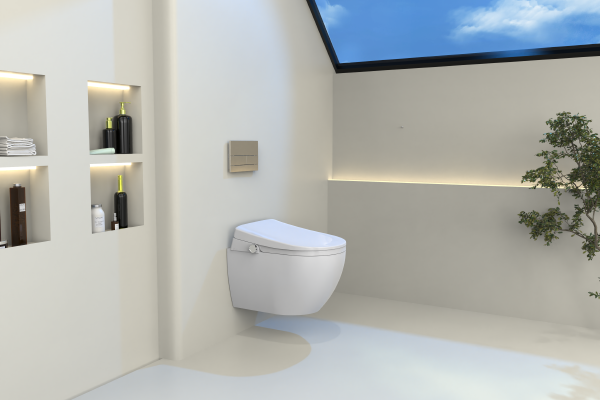
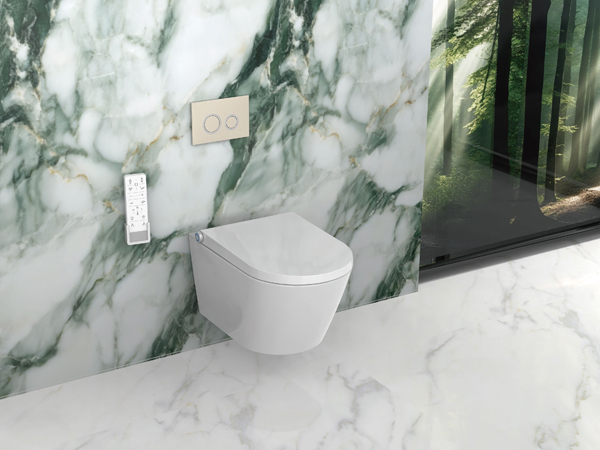
smart toilet seat

In today's fast-paced world, bathrooms are no longer just functional spaces—they're a reflection of our commitment to comfort, hygiene, and environmental responsibility. Whether you're a homeowner upgrading your living space, a property developer curating premium amenities, or a bathroom contractor seeking reliable, client-pleasing products, the demand for solutions that blend innovation, sustainability, and practicality has never been higher. This is where Oceanwell's Smart Bidet Toilet Seats shine: merging eco-conscious design with cutting-edge smart hygiene technology to redefine what a modern bathroom fixture can be.


The Rise of Eco-Smart Bathroom Fixtures: Why It Matters


As global awareness of environmental issues grows, “green” has become a non-negotiable factor for both residential and commercial buyers. Water scarcity, plastic waste, and carbon footprints are top of mind, while the need for enhanced hygiene—amplified by post-pandemic priorities—remains a key concern. Traditional bathroom fixtures often fall short: excessive water usage, harsh cleaning chemicals, and limited functionality leave gaps that modern consumers refuse to tolerate.


Oceanwell's Smart Bidet Toilet Seats address these pain points head-on, proving that sustainability and luxury don't have to be mutually exclusive. By combining water-saving technology, durable eco-friendly materials, and intelligent hygiene features, we've created a product that caters to the needs of today's discerning users—while aligning with global efforts to build a greener future.

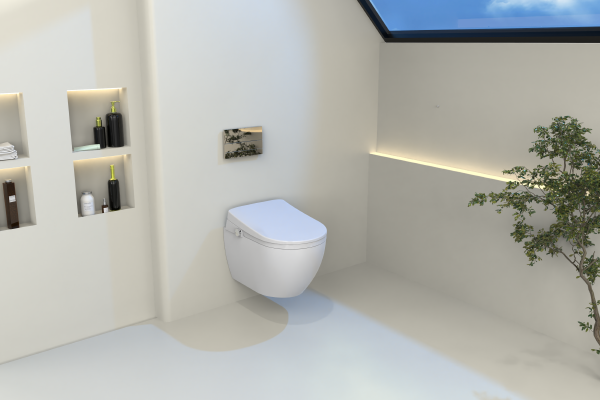
heated seat smart bidet toilet

What Makes Oceanwell's Smart Bidet Toilet Seats Stand Out?


1. Water-Saving Technology: Gentle on the Planet, Powerful in Performance

One of the biggest advantages of our smart bidet toilet seats is their exceptional water efficiency. Equipped with precision-controlled spray systems, they use up to 80% less water compared to traditional toilet paper and conventional bidets. The adjustable water pressure and temperature settings ensure a comfortable, thorough clean without waste, making them an ideal choice for eco-conscious homes and water-conscious businesses (such as hotels, offices, and senior care facilities). This not only reduces utility bills but also minimizes your environmental impact—all while delivering superior hygiene.


2. Intelligent Hygiene Features: Elevate Comfort & Cleanliness

Hygiene is at the core of our design. Our smart bidet seats come with a range of user-centric features that transform daily use into a spa-like experience:

•Dual Nozzle System: Separate nozzles for posterior and feminine cleaning, with self-sterilization technology to prevent bacterial growth.

•Heated Seat & Drying Function: Adjustable temperature settings for the seat and air dryer eliminate the need for toilet paper, reducing waste and enhancing comfort—especially in cold climates.

•Intuitive Remote Control: A user-friendly remote allows for effortless operation of all functions, from adjusting water pressure and temperature to activating the dryer, ensuring a personalized and hygienic experience for every user.

•Eco-Friendly Power Saving Mode: When not in use, the smart bidet seat enters a low-power standby mode, minimizing energy consumption without compromising on performance or hygiene standards.


3. Sustainable Materials & Durability: Built to Last, Kind to the Earth

We believe sustainability extends beyond water usage—it starts with the materials we choose. Oceanwell's smart bidet toilet seats are crafted from high-quality material, ensuring long-term durability even in high-traffic commercial settings. Our products are designed to withstand frequent use without compromising performance, reducing the need for replacements. Additionally, all our smart bidet seats are CE-certified, meeting strict European safety and environmental standards.

new design wc smart toilet seat

Partner with Oceanwell: Your Trusted Provider of Customized Bathroom Solutions


For over 20 years, Oceanwell has been a leader in the global bathroom fixture industry, serving brands, retailers, contractors, and distributors worldwide. We understand that every project is unique, which is why we offer flexible OEM/ODM services to tailor our smart bidet toilet seats to your specific needs. Whether you require custom designs, branding, or technical modifications, our team of experts will work closely with you to deliver products that align with your vision and exceed your clients' expectations.

Our commitment to quality, sustainability, and innovation has made us the preferred partner for businesses seeking reliable, high-performance bathroom solutions. From residential projects to large-scale commercial developments (such as hotels, hospitals, and senior living communities), our smart bidet toilet seats have proven to enhance user satisfaction, reduce operational costs, and elevate the overall value of the space.


Ready to Upgrade Your Bathroom with Eco-Smart Innovation?


Whether you're a homeowner looking to add comfort and sustainability to your daily routine, or a business owner seeking to differentiate your project with premium, eco-friendly fixtures, Oceanwell's Smart Bidet Toilet Seats are the perfect choice. Contact our team today to learn more about our products, OEM/ODM services, and global distribution capabilities. Let's work together to create bathrooms that are not only functional and stylish but also kind to the planet—one smart bidet seat at a time.

Does the Set Temperature Equal the Actual Indoor Temperature?

Many people have the experience when using the air conditioner that we set a temperature at 26℃, but the room temperature is still not comfortable. Is that the error of the sensor or the air conditioner itself?

The answer is that when the air conditioner is set to a temperature, it does not mean the temperature at every corner of the room. We are going to explain it clearly based on its mechanism.


I. What exactly does the "set temperature" of an air conditioner measure?


The air conditioner does not measure the whole room temperature, but it determines whether it needs continuous cool or heat by the sensor.

In most of the wall mounted air conditioners or floor standing air conditioners, the temperature sensor is normally located near the air inlet of the indoor unit or inside the air inlet zone, which measures the air temperature near the air conditioner. This means that whether the air is conditioned to 26℃ or not depends not on the position where you are but on the area around the air conditioner.


wall mounted air conditioners


II. Why are there different temperatures in the same room at the same time?


The temperature is not completely uniform even in the same room. There are factors that influence it: 


1. Air stratification


The cold air has high density, which tends to sink, while the hot air has a low density and tends to rise. As a result, the space that is close to the ground is colder, and the space that is close to the ceiling is hotter. That's why some feel cold on the feet and hot on the head and feel uncomfortable. With an air conditioner operating, people still feel uncomfortable.


2. Building structure and insulation conditions


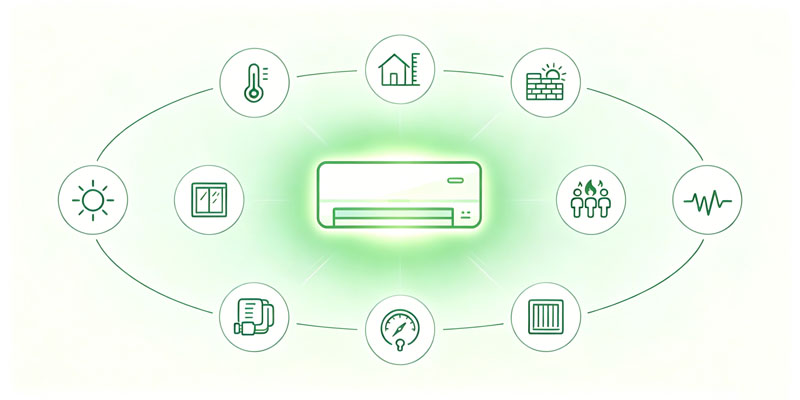
West-facing walls, glass windows → continuous heat taken in

Wide room space, high floor height → stronger thermal inertia

Leakage in door gaps and window gaps → Continuous coolness loss

All these will mislead the air conditioner to regard the cooling procedure as having reached the setting temperature, but the whole room is not truly stable.


3. The relation between airflow and the human body position


Direct air blow → More cooling;

Back-wind zone or corners → Higher temperature;

At the same 26℃, people sitting beneath the air outlet will feel cold, while those sitting at the corner will feel hot.


III. Why is 26°C sometimes still cold?


This is a common misconception among many people. Actually, the air conditioner is working between a temperature range instead of pursuing 26℃.

For example, the setting temperature is 26℃, but the actual control range is 25℃ to 27℃. When the sensor detects the temperature lower than the limit (here 25℃), the compressor will slow its speed or stop working; when higher than the limit (here 27℃), the compressor will start to work again.

If at this time, you sit near the direct air blow area or around the sensor, you will feel colder but with a not-so-low temperature setting.


IV. Why do the inverter air conditioners seem more stable?


Compared with normal non-inverter air conditioners, the advantages of the inverter air conditioners lie in the following facts:


· The compressor speed is continuously adjustable;

· The temperature fluctuation is lower;

· The indoor airflow is more smooth and comfortable;


This doesn't mean the inverter air conditioners measure the temperature more precisely, but when the air reaches the setting temperature, it works at a low power continuously instead of stopping working. Finally the indoor temperature becomes more uniform, and the experience of the human body is more comfortable.


V. How to adjust the room temperature more reasonably?


Instead of struggling over whether the temperature is precisely measured or not, we'd better focus on the comfort and the power consumption.


Common advice:

· Summer cooling temperature: 26-28℃;

· Adopt with wind speed adjustment instead of lowering the temperature blindly;

· Avoid long-time direct air blow;

· Slightly close the window, curtains, and doors when there is poor tightness in the room;


Noted: The air conditioner is to remove excessive heat, not to "create low temperature".

Smart Toilet Seats Functions, Value, Definitions & Usage Guide

In recent years, smart toilet seats have gradually become a staple in modern households, blending technology with daily hygiene to enhance the quality of life. Many people, however, still have questions about their functions, value, definitions, and usage. This article will comprehensively answer these key questions to help you better understand and choose smart toilet seats.

electric toilet seat

1. What Does a Smart Toilet Seat Do?

A smart toilet seat is far more functional than a traditional toilet seat, integrating multiple intelligent features to optimize the toilet experience and improve hygiene. Its core functions include:

•Warm Water Cleaning: This is the most basic and essential function. It usually offers adjustable water temperature (ranging from 30°C to 40°C), water pressure, and cleaning modes (such as front cleaning for women, rear cleaning, and mobile cleaning). The warm water can effectively clean the private area without relying on toilet paper, reducing irritation and improving hygiene.

•Heated Seat: The seat temperature is adjustable, which is particularly useful in cold seasons. It eliminates the discomfort of sitting on a cold seat, providing a warm and comfortable experience.

•Automatic Flushing: Many smart toilet seats are equipped with motion sensors or pressure sensors. They can automatically flush after use, avoiding the need to touch the flush button and reducing the spread of bacteria.

•Air Drying: After cleaning with warm water, the air drying function uses warm air to dry the private area, further reducing the use of toilet paper and being more environmentally friendly.

•Deodorization: Built-in deodorizing fans can quickly absorb and filter odors during and after use, keeping the bathroom air fresh.

•Automatic Lid Lifting/Lowering: Some high-end models have infrared sensors. When a user approaches, the lid automatically lifts; when the user leaves, the lid automatically lowers and flushes, fully realizing hands-free operation.

•Child Mode/Elderly Mode: Specially designed modes with lower water pressure and appropriate temperature to meet the needs of children and the elderly, ensuring safety and comfort.

smart toilet seat

2. Are Smart Toilet Seats Worth It?

Whether a smart toilet seat is worth buying depends on individual needs, living habits, and budget, but overall, it offers significant value for most households, mainly reflected in the following aspects:

•Improved Hygiene: Traditional toilet paper can only wipe the surface and may leave residues, while warm water cleaning is more thorough. It also reduces direct contact with bacteria, which is especially beneficial for women (during menstruation and pregnancy), the elderly, and people with hemorrhoids.

•Enhanced Comfort: Heated seats, warm water cleaning, and air drying solve the discomfort of using the toilet in cold weather and the irritation caused by toilet paper, greatly improving the toilet experience.

•Convenience and Intelligence: Hands-free functions such as automatic lid lifting, automatic flushing, and remote control (via a panel or mobile app) make use more convenient, especially for people with limited mobility.

•Long-Term Cost-Effectiveness: Although the initial purchase cost of a smart toilet seat is higher than that of a traditional one, it reduces the long-term consumption of toilet paper. For households that pay attention to hygiene and comfort, the investment is worthwhile.

Of course, if you have a very limited budget or rarely use the toilet at home, a traditional toilet seat may be sufficient. But for most families pursuing a high-quality life, a smart toilet seat is a worthwhile investment.

intelligent toilet seat

3. What Is an Automatic Toilet Seat?

An automatic toilet seat is a type of smart toilet seat that focuses on "automatic operation" to realize hands-free use. It is a subset of smart toilet seats, with the core feature of using sensors (infrared, pressure, etc.) to replace manual operations.


Common automatic functions include automatic lid lifting/lowering, automatic flushing, and automatic cleaning. For example, when you approach the toilet, the infrared sensor detects your presence and automatically lifts the lid; after you finish using the toilet and leave, the sensor detects that you have left and automatically lowers the lid and flushes. Some advanced automatic toilet seats can also automatically adjust the water temperature and pressure according to the user's habits.


It should be noted that not all smart toilet seats are automatic. Some basic smart toilet seats only have functions such as warm water cleaning and heated seats, and require manual operation (such as pressing buttons to start cleaning). Automatic toilet seats are usually at a higher price point due to the addition of sensor technology.


4. How to Use a Smart Toilet Seat?

The use of a smart toilet seat is relatively simple, and the specific steps may vary slightly depending on the model, but the general process is as follows:

Step 1: Install and Connect Power

First, ensure that the smart toilet seat is correctly installed on the toilet (it is recommended to be installed by professional personnel). Then, connect the power supply—most smart toilet seats use a 220V power supply, and some have a built-in battery for wireless use. After connecting the power, turn on the main switch.

Step 2: Familiarize with the Control Panel

The control panel is usually located on the side of the toilet seat or comes with a remote control. The panel is marked with icons or text for various functions, such as "warm water cleaning", "heated seat", "air drying", "flushing", etc. Familiarize yourself with the function of each button first.

Step 3: Basic Use Process

•When using the toilet, if it is an automatic model, the lid will lift automatically when you approach; if it is a manual model, you can lift the lid manually.

•After sitting down, you can adjust the temperature of the heated seat through the control panel (usually 3 levels: low, medium, high).

•After using the toilet, press the "warm water cleaning" button, select the appropriate cleaning mode (front/rear/mobile), and adjust the water temperature and pressure according to your needs.

•After cleaning, press the "air drying" button to dry the private area. You can also adjust the temperature of the drying air.

•After finishing, if it is an automatic model, it will flush and lower the lid automatically when you leave; if it is a manual model, press the "flushing" button to flush, then lower the lid manually.

Step 4: Daily Maintenance

When cleaning the smart toilet seat, avoid using corrosive cleaners (such as bleach) and do not spray water directly on the control panel or power interface to prevent short circuits. Regularly check the water inlet pipe for blockages and clean the nozzle (some models have an automatic nozzle cleaning function).


Conclusion

Smart toilet seats, with their rich functions, bring a more hygienic, comfortable, and convenient toilet experience to households. Automatic toilet seats, as a high-end type of smart toilet seats, further enhance the intelligence of use through sensor technology. Whether they are worth buying depends on individual needs, but for most families, they are a valuable upgrade to the quality of life. By mastering the correct usage methods and doing a good job in daily maintenance, you can make full use of the advantages of smart toilet seats and enjoy a better life.

What Is "Thermal Inertia"? Why Is It Harder to Cool Down A Larger House?

Most of us have the experience that a small room could be cooled down in several minutes, but for a larger space, the temperature decreases slowly even though the air conditioner has been operating for a long time. It doesn't mean the air conditioner has not enough cooling ability; instead, a most important physical concept contributed to the situation—thermal inertia, which is often being omitted.


I. What's thermal inertia?


Thermal inertia is the insensitivity level of an object or space to the temperature exchanges. Simply, it means the higher the thermal inertia, the slower the temperature exchanges; and the lower the thermal inertia, the faster the temperature exchanges.


It is not simple data, which is determined by three factors: mass, specific heat capacity, and the heat exchange conditions.

Inside the buildings and rooms, the thermal inertia performs mainly in walls, ceilings, floors, appliances, and the air itself. All those items will store heat.


II. Why does a larger house have a higher thermal inertia?


1. More items which store heat in the house


The larger house has wider wall areas, larger air volume, more concrete and bricks used in construction, and more space to put appliances and decorations. These are all heat storages. When the outside temperature is high, those heat storages have absorbed much heat already.


2. Air conditioning is to remove heat first, not to lower the temperature


The core task of air conditioners is not to blow cold air but to remove the heat from indoors to the outdoors steadily.

In large spaces, the air conditioner needs to remove heat from walls, floors, appliances, and the air steadily. The larger the space, the more heat needed to be removed, so it took a longer time.


3. The surface temperature determines the body temperature


Though the temperature had been cooled down, if the wall is hot, the floor is hot, and the appliance surface is hot, according to reflection heat transfer, the human body will feel its heat as well.

That's why people still don't feel cool even though the temperature already shows 24℃ in the large house. Thermal inertia makes it much slower for people to get "real coolness."


III. Why it may not necessarily solve the issue by purchasing a larger capacity cooling device?


Most people will choose a larger capacity air conditioner to cool a large house, such as a floor standing air conditioner or a cassette air conditioner. But the common questions are unreasonable gas-liquid distribution, cold air cannot reach the areas with heat burden, unreasonable air-return design, and long-term stays of heat in a partial area. As a result, the energy consumption rises, but the comfort has no significant improvement.


IV. For cooling in the large spaces, the key is to deal with the thermal inertia


1. Start the air conditioner in advance, rather than operating it when it's hot

2. Focus on the airflow coverage, rather than the cooling capacity

3. Zoning control, separately dealing with the thermal inertia

4. Matching the air conditioning systematically rather than focusing on the unit datas


In large houses, villas, and commercial spaces, VRF, ducted air conditioners, and joint-combined systems are more suitable in both comfort and energy savings.


In the large houses, it's not harder to blow cold air but to remove more heat, which is the thermal inertia that influences it. What determines the comfort is not only how big the air conditioner is, but also whether the whole system is recognized and allowed to operate by following the physical rules.

What Are "Return Air" and "Fresh Air"? Why Can't A Regular Air Conditioner Be Used As A Fresh Air System?

When selecting or installing air conditioners, many people will hear two words, "return air" and "fresh air". But a more common question is, "As it blows air all the time, can an air conditioner supply the fresh air to the inside like a fresh-air machine?"


The answer is absolutely not; most of the traditional air conditioners do not equal a fresh air machine. To understand the reason, we must know the basic distinctions between "return air" and "fresh air".


I. Return air—A systematic indoor air-circulation


Return air means there already exists air in the room; it is taken in and processed by the air conditioner and then returned to the room.


The whole process is indoor air → being taken into the air inlet → passing through the filter → passing through the evaporator (cooling/heating) → blowing out from the air outlet.


It features a source of air from indoors, a function of temperature adjustment, and a characteristic of hermetic or semi-hermetic circulation.


The function of return air lies in the improvement of cooling and heating efficiency, the reduction of energy consumption (no need to cool the new air), and the even coverage of the room temperature. It stresses whether cooling and heating are comfortable rather than whether the air is fresh or not.


II. Fresh air--- A true replenishment of outdoor air


Fresh air means supplying air from the outdoors to indoors, in which the air has been filtered and processed.

The whole process is outdoor air → air inlet → multiple filters (dust-proof, PM2.5, pollen, etc.) → heat recycle/cold recycle → fresh air supply to the indoors → dirty air exhaust to the outdoors in the meantime.

It features a source of air from outdoors, a purpose of replenishing oxygen and diluting the dirty air, and a nature of air exchange.

The fresh air can solve many health problems of the room, such as a high concentration of carbon dioxide, strange smells, formaldehyde, VOC, dirty air caused by long-term closed windows, and the lack of oxygen in confined spaces.


III. Why can't traditional air conditioners be used as fresh air machines?


1. Traditional air conditioners have no air inlet design from the outdoors


Wall mounted air conditioners and floor standing air conditioners—their indoor units do not contact the air outside. The air inlet and air outlet are all inside of the room. The outdoor units are only responsible for heat dissipation.

The new air didn't come in, and the air just circulates inside.


2. Air-conditioned wind is not same with fresh air


Some people believe that it seems the air is fresh when the air conditioner is turned on and the air flows. But in fact, only the air circulates; the content of oxygen does not increase, and carbon dioxide and strange smells accumulate in the room continuously.

That's why people will get tired and have headaches in the air-conditioned room for a long time, and offices need to open the window regularly or install a fresh air system.


3. Traditional air conditioners don't have filtration and protections that a fresh-air system requires


A true fresh-air system needs high-efficiency filtration (dust-proof, PM2.5, pollen, etc.), anti-condensation, anti-backflow design, and pressure control between indoor and outdoor.

Traditional air conditioners have a filter, but it is only used for dust-proofing, which cannot process the outdoor polluted air directly. If we insist on supplying the air from the outside, it may lead to condensation, a surge in energy consumption, and even malfunctions.


IV. Is there a win-win plan that covers air conditioning and fresh air needs?


The answer is YES, but they are not traditional air conditioners. Here are applicable solutions:


· Air conditioner + individual fresh-air system (Common and stable plan);

· Central air conditioning/ducted air conditioning with fresh air function;

· Full heat exchange fresh air + air conditioning system.


Those systems had taken into consideration fresh air volume, energy consumption balance, and heat/cool compensation during the designing process.


Wall Mounted Air Conditioner


V. In which conditions should we choose a fresh-air system


If you meet the following situations, a fresh-air system is not optional but a must.


· Long-term hermetic spaces (closed windows)

· Offices, hotels, apartments

· Live with the elderly, kids, and pregnant women.

· High pursuit of the air quality (allergies, dust, formaldehyde)


The core task of the air conditioners is to adjust the room temperature, while the fresh-air system is to refresh the air. They are not in a relation of replacement but of complementarity. If you only install the air conditioner, your room will be cool and heated, but if you have a fresh-air system at the same time, your room will be alive.

Oceanwell E580 Smart Bidet Redefining Innovation in Line with Global Trends

The global smart toilet seat market is witnessing steady growth driven by rising hygiene awareness, smart home adoption, and evolving consumer demands for convenience. According to a comprehensive report by Data Bridge Market Research, the market was valued at USD 725.48 million in 2021 and is projected to reach USD 955.32 million by 2029, boasting a compound annual growth rate (CAGR) of 3.50% during the forecast period (2022–2029). Against this backdrop, Oceanwell's launch of its new smart toilet seat E580 emerges as a timely innovation that perfectly aligns with key market trends and consumer needs.


Global Market Dynamics: Why Smart Toilet Seats Are Gaining Traction

Data Bridge's research highlights three core drivers propelling market growth:

1.Heightened Hygiene Awareness: Especially in developing regions, initiatives to improve residential and commercial sanitation have boosted demand for smart hygiene solutions.

2.Smart Home & Commercial Construction Boom: Modern home trends and rapid commercial building development have increased the adoption of intelligent bathroom fixtures.

3.Rising Disposable Incomes: Economic growth in Asia-Pacific and other regions has elevated living standards, making premium smart toilet seats more accessible to consumers.


Additionally, the market's segmentation by function—including cleaning, night lights, heated seats, and deodorization—reflects what consumers prioritize most. Oceanwell's E580 directly addresses these demands with its all-in-one design.

electronic bidet toilet seat

Oceanwell E580: A Product Tailored to Market Needs

The E580 stands out for its user-centric features and technical prowess, perfectly matching the market's functional and performance expectations:

Multi-Mode Hygienic Cleaning: Equipped with feminine wash, gentle wash, antibacterial wash, and pulse wash, with 5-level adjustable water pressure and temperature. This aligns with the "cleaning" function segment, which is a key market driver.

Comfort-Centric Add-Ons: Adjustable warm air drying, a heated seat (31–39℃), and a built-in night light—all top-requested features in Data Bridge's function segmentation. The self-cleaning/manual-clean nozzles further enhance hygiene, a core consumer concern.

Reliable Technical Specifications: With a 1600W power output, AC220V~50/60Hz voltage, and IPX4 waterproof rating, the E580 meets global safety and performance standards, making it suitable for both residential and commercial end-users (two major market segments identified in the report).


Regional Alignment: Tapping Into High-Growth Markets

Data Bridge notes that Europe currently dominates the global market, while Asia-Pacific is poised for robust growth due to rising disposable incomes and population expansion. As a China-based OEM&ODM manufacturer and B2B trader, Oceanwell has strategically positioned the E580 as a cost-effective alternative in the higher-priced smart toilet seat segment, tailored to tap into the booming market.


Future Outlook: Riding the Wave of Smart Innovation

The report emphasizes that "wider application of smart technology" and "government initiatives for water conservation" are key market opportunities. While the market faces challenges like higher costs compared to traditional toilet seats, the E580's balanced combination of functionality and value positions it well to overcome such barriers.


Citation Sources

1. Data Bridge Market Research. (2022). Global Smart Toilet Seat Market - Industry Trends and Forecast to 2029.

https://www.databridgemarketresearch.com/zh/reports/global-smart-toilet-seat-market


2. Oceanwell Electric Smart Bidet Toilet Seat E580.

https://www.oceanwellxm.cn/oceanwell-electric-smart-bidet-toilet-seat-with-dryer-and-night-light_p355.html


#electronic toilet    #seat smart toilette   #smart toilet seat manufacturer  # heated seat   #electric bidet   #smart bidet toilet seat  #intelligent toilet seat   #elongated toilet bidet


5 Compelling Reasons to Choose Oceanwell Smart Toilets

5 Compelling Reasons to Choose Oceanwell Smart Toilets

As smart home technology reshapes daily living, smart toilets have evolved from luxury upgrades to bathroom essentials—redefining hygiene, comfort, and convenience. Oceanwell's smart toilet range, headlined by the E410 wall-hung model, embodies the core advantages of this innovation, aligning with the industry's top priorities for modern bathroom solutions. Here are five key reasons to make Oceanwell your go-to for a smarter bathroom experience.


1. Personalised Hygiene

Gone are one-size-fits-all cleansing routines. Oceanwell smart toilets offer fully customisable wash and dry functions: adjust water temperature (5 levels, including OFF), pressure (350–650mL/min), and nozzle position (5-step adjustment) via the D81-01 remote or side buttons. The E410 also features pulsating and oscillating massage modes, while its warm-air drying system replaces traditional toilet paper for a gentle, hygienic finish—catering to every user's unique needs.

heated seat smart bidet


2. Next-Level Bathroom Cleanliness

Oceanwell prioritises a germ-free space with multi-layer hygiene features. The E410's nozzle self-cleans before and after each use, and optional UV sterilisation. Its rimless design eradicates hidden dirt pockets, paired with non-porous ceramic glaze that resists stains and bacterial buildup. These innovations ensure your toilet stays pristine with minimal effort.

smart bidet


3. Intuitive Smart Home Integration

While compact in its smart connectivity, Oceanwell's design balances practicality with smart control. The D81-01 remote supports one-to-one pairing to avoid cross-interference in multi-toilet spaces. For added convenience, the toilet's standby mode reduces energy use, aligning with sustainable smart home goals.

smart toilet with remote control


4. Unmatched Comfort & Convenience

Oceanwell smart toilets turn daily routines into luxurious moments. The E410's optional heated seat (29–37℃ adjustable) eliminates cold discomfort, while its soft-close seat and cover prevent noisy slams. A built-in night light provides gentle illumination for late-night visits, and smart controls minimise touchpoints—combining ease of use with thoughtful comfort.

night light shower toilet


5. Perfect for Every Space & User

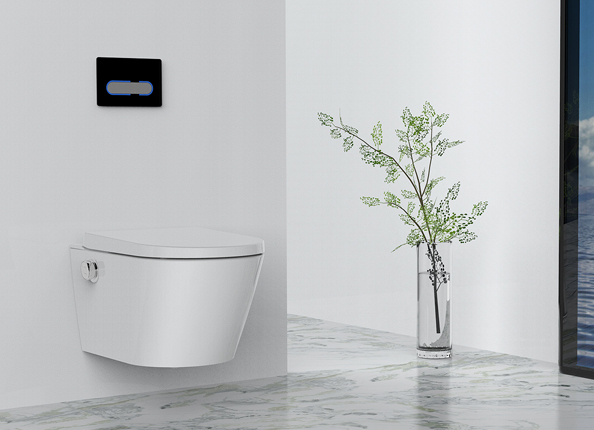
Designed for versatility, Oceanwell's flagship E410 is a wall-hung model that frees up floor space, ideal for small bathrooms or minimalist interiors. For those seeking a balance of innovation and practicality, it adapts seamlessly to residential and light commercial spaces alike.

wall hung smart toilet


Oceanwell's smart toilets aren't just fixtures—they're investments in a cleaner, more comfortable, and personalised bathroom experience, crafted to meet the diverse needs of modern households.

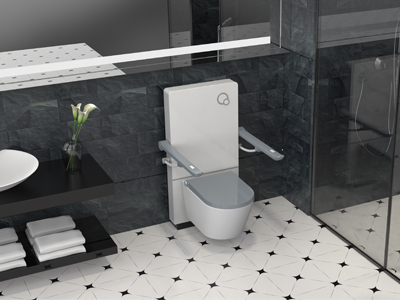
A Comprehensive Procurement Guide for Concealed Toilet Cisterns Why Oceanwell Stands Out as Your Trusted Partner

In the global sanitary ware market, concealed toilet cisterns have become a mainstream choice for modern bathrooms, thanks to their space-saving design, sleek appearance, and enhanced user experience. For procurement professionals, distributors, DIY supermarket buyers, and cross-border e-commerce sellers across Europe, India, the Middle East, and beyond, selecting a reliable concealed toilet cistern supplier is crucial to business success. This guide not only outlines the key factors to consider when procuring concealed toilet cisterns but also highlights why Oceanwell, a leading manufacturer in the industry, is the ideal partner for your procurement needs.


Key Factors to Evaluate When Procuring Concealed Toilet Cisterns

Procuring concealed toilet cisterns requires a comprehensive assessment of multiple aspects to ensure the products meet market demands, quality standards, and long-term business goals. Here are the core factors that every procurement professional should prioritize:


1. Product Quality and Certification

Quality is the cornerstone of any successful procurement decision. Concealed toilet cisterns are installed within walls, making maintenance and replacement difficult. Therefore, the product must be durable, leak-proof, and compliant with international quality standards.


Material Selection: High-quality cisterns are typically made of robust plastics (such as PP or ABS) that resist corrosion, aging, and high water pressure. Inferior materials may lead to cracks, leaks, or deformation over time, causing costly bathroom damages for end-users.

Certification Compliance: Look for products with recognized certifications like CE. The CE mark ensures that the cistern meets the safety, health, and environmental protection requirements of the European Union, a critical factor for buyers targeting the European market. Oceanwell’s concealed cisterns all hold CE certification, guaranteeing compliance with strict EU standards.


2. Design and Functional Adaptability

Concealed toilet cisterns need to adapt to diverse bathroom layouts, toilet types, and user preferences. A supplier with flexible design capabilities can better meet your specific market needs.


Installation Compatibility: The cistern should be compatible with both wall-hung and floor-standing toilets, as well as different carrier frame systems. For example, Oceanwell’s universal frame concealed cisterns (e.g., model CJ720 and CJ722) support front or top operation, making them suitable for various installation scenarios.

Water Efficiency: With growing global emphasis on sustainability, dual-flush systems have become a must-have feature. Cisterns with adjustable dual-flush valves (e.g., 3/4.5L, 3/6L, 4/7L) allow users to save water, aligning with environmental regulations and consumer preferences. Oceanwell’s pneumatic dual-flush concealed cisterns excel in this aspect, offering both water efficiency and a smooth flushing experience.

Space-Saving Features: Ultra-slim designs (such as Oceanwell’s 90mm depth concealed cistern) are highly sought-after in compact bathrooms. These cisterns integrate seamlessly with walls, maximizing available space while maintaining a modern aesthetic.


3. Customization (OEM/ODM) Capabilities

In a competitive market, offering unique products can help you stand out from competitors. A supplier with strong OEM/ODM capabilities can tailor products to your brand identity, market demands, and customer preferences.


Design Customization: This includes customizing cistern dimensions, colors, flush button styles, and even adding brand logos. For example, if you target the high-end European market, you may need cisterns with a minimalist design and premium finishes. Oceanwell’s R&D team, equipped with proprietary innovation capabilities, can design products tailored to your specific market demands.

Function Customization: Whether you need cisterns with special flushing mechanisms, anti-odor features, or compatibility with smart bathroom systems, a flexible supplier can accommodate these requirements. Oceanwell’s experience in manufacturing intelligent bathroom solutions (e.g., smart bidet toilets) enables it to integrate advanced functions into concealed cisterns as needed.


4. Production Capacity and Delivery Reliability

For both large-scale distributors and growing cross-border e-commerce sellers, consistent supply and on-time delivery are essential to avoid stockouts and maintain customer satisfaction.


Production Scale: Evaluate the supplier’s factory size, production lines, and automation level. Oceanwell operates with advanced automation production facilities, ensuring high production efficiency and stable product quality. The company’s sufficient floor space (as indicated on its official website) supports large-volume orders, making it suitable for both medium-to-large buyers and growing small clients.

Supply Chain Management: A well-managed supply chain ensures that raw materials are sourced reliably and production schedules are met. Oceanwell’s established supply chain network and quality control processes minimize production delays, ensuring that your orders are delivered on time, even for urgent requests.


5. After-Sales Service and Technical Support

Concealed toilet cisterns involve professional installation and potential maintenance issues. A supplier that provides comprehensive after-sales service and technical support can help you resolve problems quickly, reducing customer complaints and improving brand reputation.


Technical Documentation: The supplier should provide detailed installation guides, maintenance manuals, and troubleshooting resources to assist your team and end-users.

Warranty and Repair Services: A clear warranty policy (e.g., 5-year warranty on cistern bodies) demonstrates the supplier’s confidence in product quality. Oceanwell’s high-quality customer service team is available to address any issues, providing timely support for installation, repair, or replacement.


Why Oceanwell Is the Preferred Choice for Global Concealed Toilet Cistern Buyers

When it comes to procuring concealed toilet cisterns, Oceanwell stands out as a reliable, innovative, and customer-centric partner. Here’s a detailed look at the company’s core advantages that align with the needs of global buyers:


1. Oceanwell offers a wide range of concealed cisterns to meet diverse market needs, ensuring that you can find the perfect products for your target audience:

Pneumatic Concealed Cisterns: These cisterns feature a pneumatic system that provides a unique, smooth pressing feeling, enhancing user experience. Models like the OEM good quality universal frame concealed cistern and the ODM Good Quality Dual Flush Pneumatic Concealed Cistern are ideal for buyers seeking reliability and comfort.

Universal Frame Cisterns: Designed for wall-hung WCs, models such as CJ720 and CJ722 support front or top operation, offering flexibility in installation. The wholesale universal European style concealed cistern (model CJ722) with a thickness of 135mm is a popular choice for European buyers due to its compatibility and space-saving design.

Ultra-Slim Concealed Cisterns: Oceanwell’s wall-hung toilet slim concealed flushing cistern (90mm depth) is perfect for compact bathrooms. It features seamless wall integration, dual-flush buttons for water efficiency, and universal compatibility with major WC brands, making it a versatile option for global markets.

Customized Cisterns: Whether you need a concealed cistern with a dual flush valve, plastic fittings, or compatibility with floor-standing toilets, Oceanwell’s OEM/ODM services can bring your vision to life.

Concealed cisterns


2. Commitment to Sustainability: A Greener Choice for the Future

In today’s market, sustainability is no longer a trend but a necessity. Consumers and businesses alike are increasingly prioritizing eco-friendly products and suppliers. Oceanwell’s dedication to sustainable practices not only helps protect the environment but also enhances your brand image among environmentally conscious customers.


3. Advanced R&D and Innovation Capabilities

To stay ahead in the rapidly evolving sanitary ware market, continuous innovation is essential. Oceanwell’s strong R&D team and proprietary innovation capabilities ensure that its products remain at the forefront of technology and design:


Proprietary Technology: The company invests in research and development to create unique features that enhance product performance and user experience. For example, Oceanwell’s intelligent toilet bidet seats (a complement to its concealed cisterns) incorporate smart warm water washing functions, showcasing the company’s expertise in integrating advanced technology into bathroom products.

Market-Driven Innovation: Oceanwell’s R&D team closely monitors global market trends and customer needs, ensuring that its products are always aligned with the latest demands. Whether it’s developing ultra-slim cisterns for compact bathrooms or integrating smart features for the high-end market, the company’s innovation efforts are focused on solving real-world problems for buyers and end-users.

Patent Protection: Oceanwell holds multiple patents (as indicated on its official website), a testament to its commitment to innovation and intellectual property. By partnering with a patent-protected supplier, you can avoid legal risks and ensure that the products you sell are unique and legally compliant.


Conclusion

Procuring concealed toilet cisterns requires careful consideration of quality, design, customization, production capacity, and after-sales service. By choosing a trusted partner like Oceanwell, you can access high-quality, compliant, and innovative products that meet the needs of your target markets. With its strong global presence, comprehensive product portfolio, sustainable practices, and customer-centric approach, Oceanwell is well-equipped to support your business growth and help you succeed in the competitive global sanitary ware market.


Contact Oceanwell today via https://www.oceanwellxm.cn/ or sales08@oceanwellxm.com to start your procurement journey and elevate your bathroom product offerings.


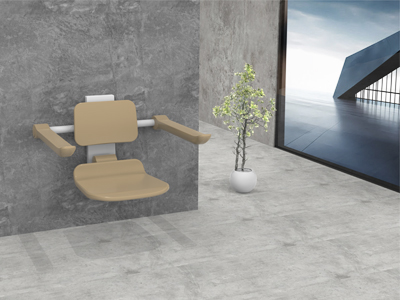
Are Folding Wall-Mounted Seats Worth Buying? — OCEANWELL Wall-Mounted Seats A Multi-Scenario Practical Guide

In the quest for a home that balances style, functionality, and space efficiency, small but impactful additions often make the biggest difference. Are folding or wall-mounted seats really worth investing in? For anyone tired of clunky free-standing stools taking up precious floor space, or concerned about safety in high-moisture areas like bathrooms, the answer—especially when it comes to oceanwell’s wall-mounted seats—is a resounding yes. Let’s break down why these seats are more than just a “nice-to-have,” and how they shine in key home spaces: bathrooms, entryway shoe-changing nooks, and corridors.

1. Bathrooms: Safety & Space-Saving in a High-Moisture Zone

The bathroom is where wall-mounted seats prove their mettle first. We’ve all been there: balancing on one foot to shave legs, or worrying about elderly family members slipping while stepping in/out of the shower. Free-standing stools here are a double risk—they can slide on wet tiles, and when not in use, they block shower access or crowd the vanity area.

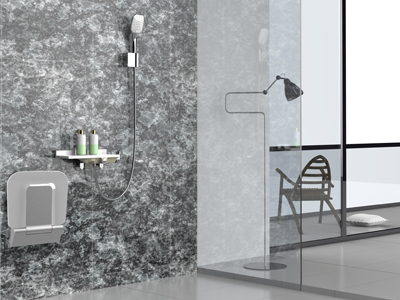
oceanwell’s wall-mounted seat solves both issues. First, safety is non-negotiable: with a weight capacity of 160~200kg, it’s sturdy enough for adults of all sizes, and its secure wall-mount design eliminates sliding risks entirely. Then there’s the material choice: PP (Polypropylene) and UF (Urea-Formaldehyde Resin). PP is naturally resistant to moisture, mold, and chemical damage—perfect for steamy showers or frequent cleaning with bathroom cleaners. UF, meanwhile, adds durability with its high hardness and eco-friendly properties, ensuring the seat won’t warp or degrade over time.

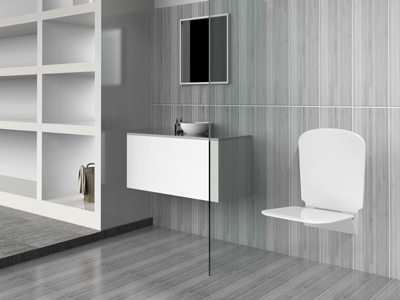
The details make it even better. The slow-close mechanism prevents the seat from slamming down—no more loud “bang” noises disrupting a quiet bath, and no risk of little fingers getting pinched. For added comfort, you can opt for a backrest (with adjustable height, so it works for kids and adults alike), turning a practical safety tool into a cozy spot to relax mid-shower. And when folded up? It sits flush against the wall, taking up zero floor space—ideal for small bathrooms where every inch counts.


Aesthetically, it fits right in too. Choose between bright white or glossy black—both timeless shades that complement modern, minimalist, or even traditional bathroom decor. The white powder coating is smooth, easy to wipe clean (no more scrubbing stuck-on soap scum), while the electroplated bright chrome accents add a subtle luxe touch, elevating the look without feeling over-the-top.

2. Entryway Shoe-Changing Nooks: Convenience Without the Clutter


Your entryway is the first impression of your home—and nothing ruins that vibe faster than a messy pile of shoes and a wobbly stool. oceanwell’s wall-mounted seat transforms this high-traffic spot into a streamlined, functional zone.


Imagine coming home after a long day: instead of balancing on one leg to kick off your boots, you simply fold down the seat, sit comfortably, and slip off your shoes. When you’re done, fold it back up—suddenly, your entryway feels bigger, cleaner, and more organized. No more tripping over a free-standing stool, and no more sacrificing style for convenience.


The color options shine here too. Bright white keeps the entryway feeling airy and fresh, while glossy black adds a sleek, modern edge—perfect if your entryway has dark wood floors or metallic fixtures. The electroplated bright chrome hardware resists scuffs and scratches, so even with daily use, the seat stays looking new. And with multiple models available, you can pick the perfect size: a compact version for narrow entryways, or a slightly wider one if you often have guests over who need a spot to sit.


3. Corridors: A “Hidden” Spot for Quick Rests


Corridors are often overlooked when it comes to functionality—they’re just “passageways,” right? But oceanwell’s wall-mounted seat turns them into practical, thoughtful spaces. Whether it’s your bedroom corridor, hallway leading to the kids’ rooms, or even a long hallway in a larger home, this seat adds a subtle yet valuable touch.

Need to pause and tie your kid’s shoelaces? Fold down the seat. Just carried a stack of laundry and need a quick break? Sit for a minute. Have a guest who needs to wait while you grab something? No more asking them to stand awkwardly—offer them a seat. And when it’s not in use? It disappears against the wall, so your corridor stays open and uncluttered.


The adjustable backrest is a game-changer here too. For quick tasks (like tying shoes), a lower backrest keeps things compact. For longer rests, crank it up for extra support. And with the same moisture-resistant materials and sturdy load (160~200kg), it’s built to handle daily use—even if your kids decide to “borrow” it for impromptu storytime.


Final Thought: Are They Worth It?

The Oceanwell wall-mounted chair is so popular because it directly addresses three major pain points in home living: clutter, safety hazards, and resource waste. Through its innovative design, it cleverly transforms unused corners like bathrooms, entryways, and hallways into practical spaces that meet your daily needs. Whether you're a parent worried about their child's safe bathing and dressing, a homeowner looking to optimize their living space, or a home enthusiast pursuing aesthetics and practicality, it offers an ideal solution.


For supermarkets, distributors, cross-border e-commerce platforms, wholesalers, and buyers, the Oceanwell wall-mounted chair is a premium option not to be missed. It enjoys strong market demand, with a repurchase rate exceeding the industry average of 30%. We're now offering bulk purchases, offering a 20% discount on first orders, along with exclusive logistics and after-sales support. Seize this business opportunity and contact us today to discuss partnerships and seize the new era of home storage!


How to Choose the Perfect Ceramic Toilet for Your Home A Comprehensive Guide

The toilet is more than just a functional fixture in your bathroom—it's a cornerstone of comfort, hygiene, and style that impacts your daily routine and the overall aesthetic of your space. Whether you're renovating a bathroom, building a new home, or replacing an old unit, selecting the right ceramic toilet requires balancing practicality, design, and personal needs. Drawing on expert insights from bathroom design guides, this article breaks down the key factors to consider, helping you make an informed decision that stands the test of time.


smart toilet


1. Start with Installation Type: Floor-Mounted vs. Wall-Hung

The first step in choosing a ceramic toilet is determining the right installation style for your space and lifestyle, as it dictates both functionality and design.


Floor-Mounted Toilets (Most Common)

Ideal for traditional and retrofitted bathrooms, floor-mounted models are stable, easy to install, and come in three main variants:

•Close-Coupled: The classic choice—where the bowl and tank are either one-piece or two-piece. One-piece designs have no joints, making them easier to clean and maintain, while two-piece models are more affordable and widely available.

•Back-to-Wall: The tank is concealed within the drywall (with a hidden support structure), leaving only the bowl visible. It's a favorite for modern bathrooms, offering a sleek look, quieter flushing, and effortless floor cleaning.

•High-Tank: Perfect for traditional or period-style bathrooms with high ceilings. Connected to the bowl via a pipe, it uses a pull chain for flushing, adding a vintage charm.


Wall-Hung Toilets (Minimalist & Space-Saving)

Mounted directly to a concealed support frame in the drywall (which houses the tank), wall-hung toilets are a top pick for minimalist, small, or luxury bathrooms. They free up floor space, create an airy vibe, and make cleaning every corner a breeze. Note that they require professional installation due to the hidden support structure, but their aesthetic and practical benefits often outweigh the extra effort.


Pro Tip: Ensure your home's plumbing (P-trap for horizontal drainage or S-trap for vertical) matches the toilet's evacuation system—critical for retrofits to avoid costly modifications.


wall-hung toilets


2. Get the Dimensions Right: Fit for Your Space & Ergonomics

A toilet that's too big for your bathroom or too low for comfort will quickly become a hassle. Here's how to nail the measurements:

•Space Planning: Measure your bathroom's length, width, and the distance from the wall to the existing drain. Concealed-tank toilets (like back-to-wall or wall-hung) need extra space for the drywall and frame, while compact close-coupled models work well in tight spots.

•Bowl Shape: Elongated bowls offer more seating comfort (great for master bathrooms), while round or square bowls save space (ideal for guest bathrooms or powder rooms). Corner-installed toilets are also an option for awkwardly shaped spaces.

•Height: Standard toilets suit most users, but higher models (often called “comfort height”) are easier for seniors, people with reduced mobility, or taller individuals. For public or accessible bathrooms, check local regulations for mandatory height and depth requirements.


3. Material & Style: Blend Durability with Aesthetics

Ceramic and porcelain are the gold standards for home toilets—and for good reason. They're durable, hygienic, easy to clean, and resistant to stains and daily wear. Stainless steel toilets are lighter and more shockproof but less comfortable, making them better suited for public spaces.

When it comes to style, align your toilet with your bathroom's overall decor:

Modern/Minimalist: Streamlined designs with smooth finishes, often featuring concealed tanks or rimless bowls. They're easy to clean and complement contemporary bathrooms.

•Traditional: Visible tanks (low or high) with classic details—lever handles for low tanks, pull chains for high tanks. Perfect for period-style homes or bathrooms with vintage fixtures.


wall hung smart toilet


4. Explore Toilet Types: Beyond the Standard Model

While basic ceramic toilets work for most homes, specialized types can elevate comfort and functionality:

•Smart Toilets: Integrate electronic features like bidet functions, heated seats, motion-activated flushing, and warm-air drying. They're hygienic (touchless operation) and luxurious, ideal for modern homes.

Shower Toilets: Combine a traditional toilet with a built-in bidet, offering dual functionality for thorough cleansing and convenience.


white wall hung toilet


5. Prioritize Maintenance & Cleaning Ease

A toilet that's hard to clean or requires frequent repairs will quickly lose its appeal. Look for these features:

•Rimless Design: Eliminates the traditional rim (a hotspot for dirt and bacteria), allowing water to flush evenly across the bowl for better hygiene.

•Smooth Glazing: High-quality nano-glazing or ceramic glazing resists stains, mineral deposits, and bacteria, making wiping down a breeze.

•Accessible Parts: Seats with quick-release hinges, easy-to-reach bolts, and serviceable flush mechanisms simplify maintenance.

•Stain-Resistant Finishes: Choose finishes that stay fresh over time, reducing the need for harsh cleaning products.


Invest in a Toilet That Works for You

Choosing a ceramic toilet isn't just about picking a fixture—it's about investing in daily comfort, long-term durability, and bathroom style. By focusing on installation type, dimensions, material, style, and maintenance, you'll find a toilet that checks all your boxes. Whether you opt for a classic close-coupled model, a sleek wall-hung design, or a high-tech smart toilet, the right choice will elevate your bathroom from functional to fabulous for years to come.